
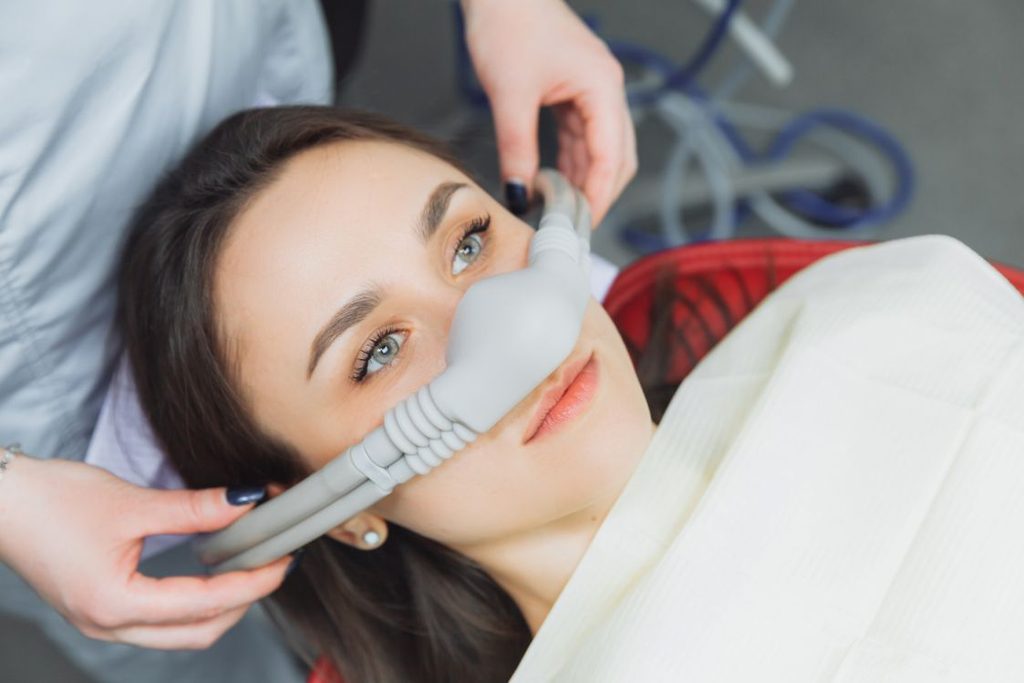
Dental phobia is an extremely common problem that often keeps people away from even routine dental checkups and cleanings. The good news is that your dentist understands that oral health treatments can often make patients nervous or afraid. That’s why they offer sedation dentistry options to help keep you feeling calm and comfortable no matter what brings you to the dental chair. Here are four common questions people often have about it, and how you can tell if dental sedation is right for you!
What is Sedation Dentistry?
Sedation dentistry is the use of sedatives to help you feel calmer and more comfortable during any kind of dental treatment. It is also useful for patients who have a sensitive gag reflex, or who are undergoing lengthy procedures that may make it painful to keep their mouth open for too long.
Do I Qualify for Dental Sedation?
There are several safe, effective sedation options available for patients of all ages. However, the best option will depend on a variety of factors, including your medical history, age, and the type of procedure you’ll be having. To avoid potentially harmful interactions, be sure to disclose all medications and be completely honest with your dentist during your consultation so proper preparations can be made in advance.
Which Types of Sedation Does My Dentist Offer?
Your dentist offers several safe, effective dental sedation options to suit a variety of patient needs and situations, including:
- Nitrous Oxide Sedation: This sweet smelling, colorless gas is the most frequently used type of dental sedation and is considered the safest option for most people, including children. It is breathed in through a comfortable tube in the nostrils and creates a feeling of calmness and peace while in use. Once your treatment is over, you’ll breathe pure oxygen for five minutes until the gas has left your system. Then, you can resume your daily activities (including driving) without any lingering effects.
- Oral Conscious Sedation: Using a pill you’ll pick up yourself at your pharmacy prior to your dental appointment, this method of dental sedation lasts several hours and creates a deeper state of calm than nitrous oxide. However, because of how long it lasts, you will need a ride to and from your dental appointment, and to take the rest of the day off from your regular activities.
- IV Sedation: This treatment is an excellent option for those with severe dental phobia or anxiety, or for those who will be undergoing a longer or multiple procedures at once. While you will still be awake with this option, you will likely have no memory following your treatment, and you’ll need a ride home from your procedure as well as the remainder of the day off from your normal activities.
Do Dental Sedatives Have any Side Effects?
The good news is that most dental sedatives have very little side effects; however, this will depend on the type of sedation you’ve chosen. In most cases, you’ll likely only feel groggy after treatment, however you may experience increased bruising following nitrous oxide as it can deplete vitamin B12 levels.
Remember, if you suffer from dental phobia, a sensitive gag reflex, or if you are undergoing a lengthy dental procedure, talk to your dentist about sedation. With three safe, effective options available, it could make all the difference to having a calmer, more comfortable time in the dental chair!
About Our Practice
At Dental Associates of Delaware, we are pleased to offer three types of dental sedation to help you relax during any type of oral health treatment, including checkups and cleanings and even cosmetic dentistry. To learn more about your options and determine which one is best for you, schedule a consultation with your dentist by visiting our website or calling 302-50-TOOTH (86684) today!